Health and Wellbeing Skills You Can Learn Without Going to University
University is not the only route into a meaningful career in health and wellbeing. Many people are passionate about helping others feel better, stay active and live healthier lives — but do not want the time, cost or academic pressure of a degree.
The good news is that the health and wellbeing sector offers many practical, hands-on skills you can learn without going to university. These skills can lead to self-employment, flexible work, community impact and long-term growth.
This article explores some of the most valuable health and wellbeing skills you can develop without a degree.
1. Sports Massage Therapy
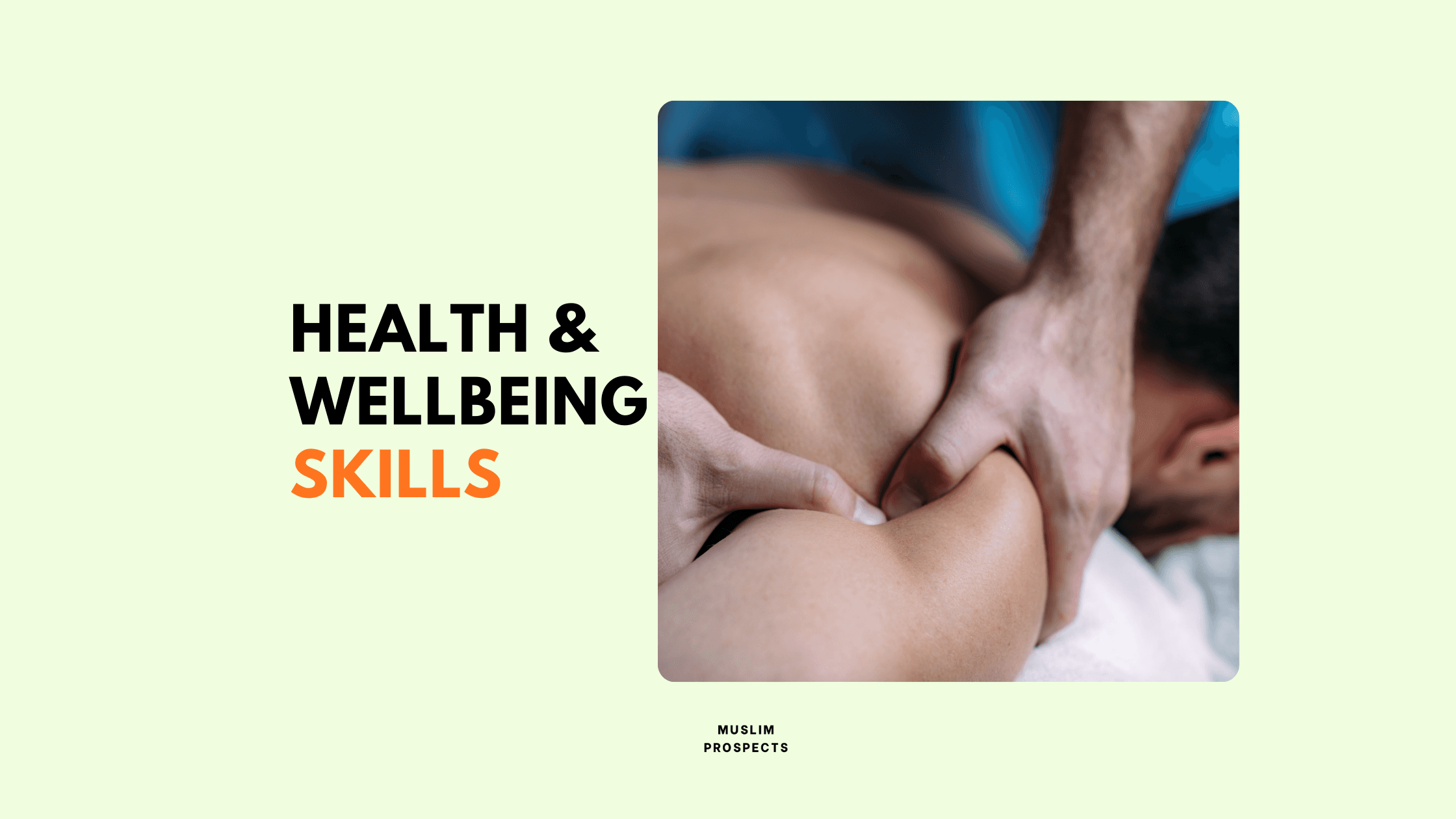
Sports massage is one of the most popular non-degree health pathways. It focuses on improving muscle function, reducing pain, preventing injury and supporting recovery.
You can train through accredited short courses and certifications, often within a few months.
Where it can lead:
Working with athletes or gym clients
Supporting fitness professionals
Running your own mobile practice
Working in gyms, clinics or sports clubs
Sports massage is practical, in demand and highly suitable for people who enjoy hands-on work.
2. Cupping Therapy
Cupping therapy is an ancient technique that improves blood flow, reduces muscle tension and supports recovery. It has become increasingly popular in modern sports and wellness settings.
Training is usually done through specialist short courses.
Where it can lead:
Wellness clinics
Sports recovery centres
Complementary therapy practices
Private clients
Cupping is often combined with massage therapy, making it a valuable additional skill.
3. Hijama (Wet Cupping)
Hijama is a traditional Islamic therapy with strong roots in Prophetic medicine. It is widely practised in Muslim communities and continues to grow in popularity.
Learning hijama does not require university — but it does require proper training, hygiene standards and certification.
Where it can lead:
Running your own hijama clinic
Community-based wellbeing services
Combining hijama with massage or cupping
Flexible, self-employed work
For those interested in health and wellbeing through an Islamic lens, hijama offers a meaningful and respected path.
4. Personal Training and Fitness Coaching
If you enjoy movement, exercise and motivating others, personal training is another strong option.
You can qualify through recognised fitness certifications without attending university.
Where it can lead:
Gym-based work
Online coaching
Group fitness classes
One-to-one personal training
Many personal trainers later specialise in rehabilitation, strength training or wellness coaching.
5. Nutrition and Health Coaching
While becoming a dietitian requires a degree, health coaching and basic nutrition qualifications do not.
You can learn:
Healthy eating principles
Behaviour change techniques
Lifestyle coaching
Weight management support
This works well when combined with fitness, massage or wellbeing services.
6. Mental Wellbeing and Mindfulness Skills
There is growing demand for non-clinical mental wellbeing support.
Skills you can learn without university include:
Mindfulness facilitation
Stress management coaching
Wellbeing workshops
Community mental health support roles
These roles focus on prevention, lifestyle and support rather than clinical treatment.
7. First Aid, Injury Prevention and Recovery Skills
Short courses in first aid, injury prevention and recovery are highly valuable in the health and wellbeing space.
These skills are often required when working with:
Sports teams
Gyms
Youth groups
Community programmes
They also build trust and professionalism with clients.
Why Health and Wellbeing Is a Strong Non-University Path
Choosing not to go to university does not mean limiting your future.
Health and wellbeing careers offer:
Practical, hands-on work
Short training pathways
Self-employment opportunities
Flexible schedules
The ability to help others
Strong demand across communities
Many people build successful, fulfilling careers by combining multiple skills over time.
The Islamic Perspective on Health and Wellbeing Careers
Islam places great importance on caring for the body, maintaining health and supporting the wellbeing of others. The body is viewed as an amanah (trust) from Allah, and looking after it is a responsibility rather than a luxury.
Many non-university health and wellbeing skills align naturally with Islamic values, particularly hands-on therapies that focus on healing, prevention and balance.
Practices such as hijama (wet cupping) are rooted in Prophetic tradition and have been used for centuries to support physical health. Learning hijama with proper training, hygiene and intention allows Muslims to revive a Sunnah while serving their communities in a meaningful way.
Sports massage, cupping therapy, fitness coaching and recovery work also reflect Islamic principles of:
Preventing harm
Supporting strength and wellbeing
Helping others maintain an active and healthy lifestyle
Earning a halal income through beneficial work
For young Muslims who do not wish to attend university, health and wellbeing careers offer a way to combine practical skills, self-employment and service to others, all while staying aligned with faith and values.
Choosing a path that benefits people’s health is not only a career decision — it can also be an act of worship when done with the right intention.
Final Thoughts
If you are passionate about health, recovery and wellbeing but do not want to attend university, there are many skills you can start learning right now.
Whether it is sports massage, cupping, hijama, fitness coaching or wellbeing support, these paths allow you to build expertise, help others and create meaningful work without a degree.
The key is choosing accredited training, committing to high standards, and continuously developing your skills.